How to use AI when you study
The same AI can make you learn less or more. Five simple rules for using it the right way.
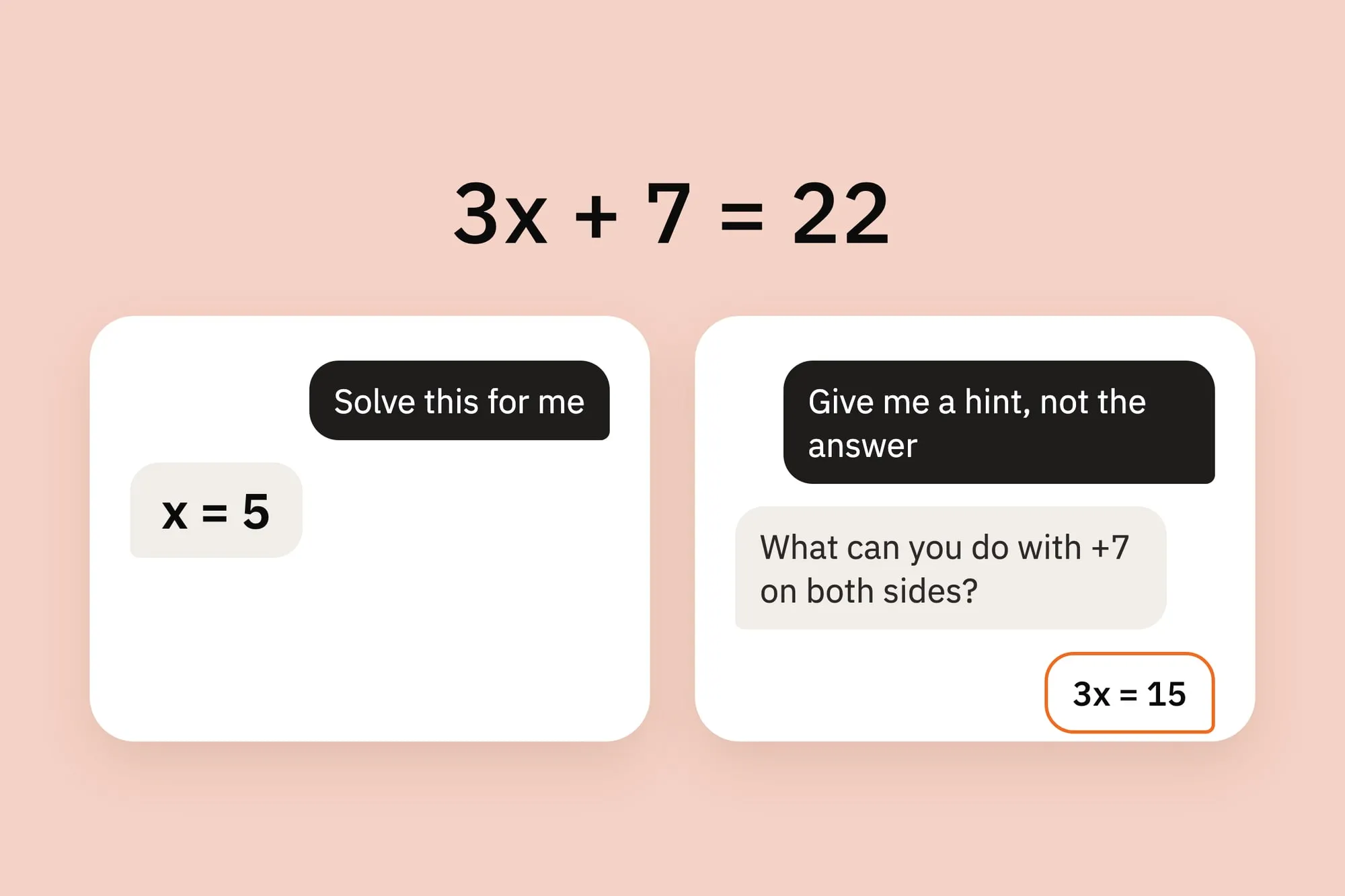
When I give talks at universities, I often ask the room who has used AI. Often every hand goes up. Then I ask who has used it for studying, and almost every hand stays up. I cannot think of another technology that students have taken up this fast.
But most of them use it the same way: paste in the question, get the answer, move on. Or upload a file, get a summary, read it, move on. It feels efficient, and the assignment gets done, but the learning often does not happen. Many only find out at the exam, when they have to answer the questions themselves.
The problem: answers that feel like studying
When MIT researchers had students write essays with ChatGPT, that group showed the weakest brain activity of all the groups measured, and most of them could not quote a single line from their own essay a few minutes later (MIT Media Lab, 2025). They had an essay, but very little of it had stuck.
The potential: your own tutor
Used the right way, the same AI can become something most students have never had: a personal tutor. Students taught one to one do up to two standard deviations better than in a normal classroom (Bloom, 1984), and in a randomized trial at Harvard, students with a purpose-built AI tutor learned more than twice as much as students in ordinary teaching, in less time (Harvard, 2025). So it is not the AI that decides whether you learn more or less. It is how you use it.
How to use AI the right way
You can get a lot closer to a tutor with the AI you already use. These five rules help.
1. Do it yourself first
Spend ten minutes on the problem before you open the chat, to find out where you get stuck. The same goes for writing: write your own first draft, then ask for feedback. If you ask before you have tried, the AI just does the work for you, and a text with your name on it that you did not write is often against the rules too.
2. Ask for hints, not answers
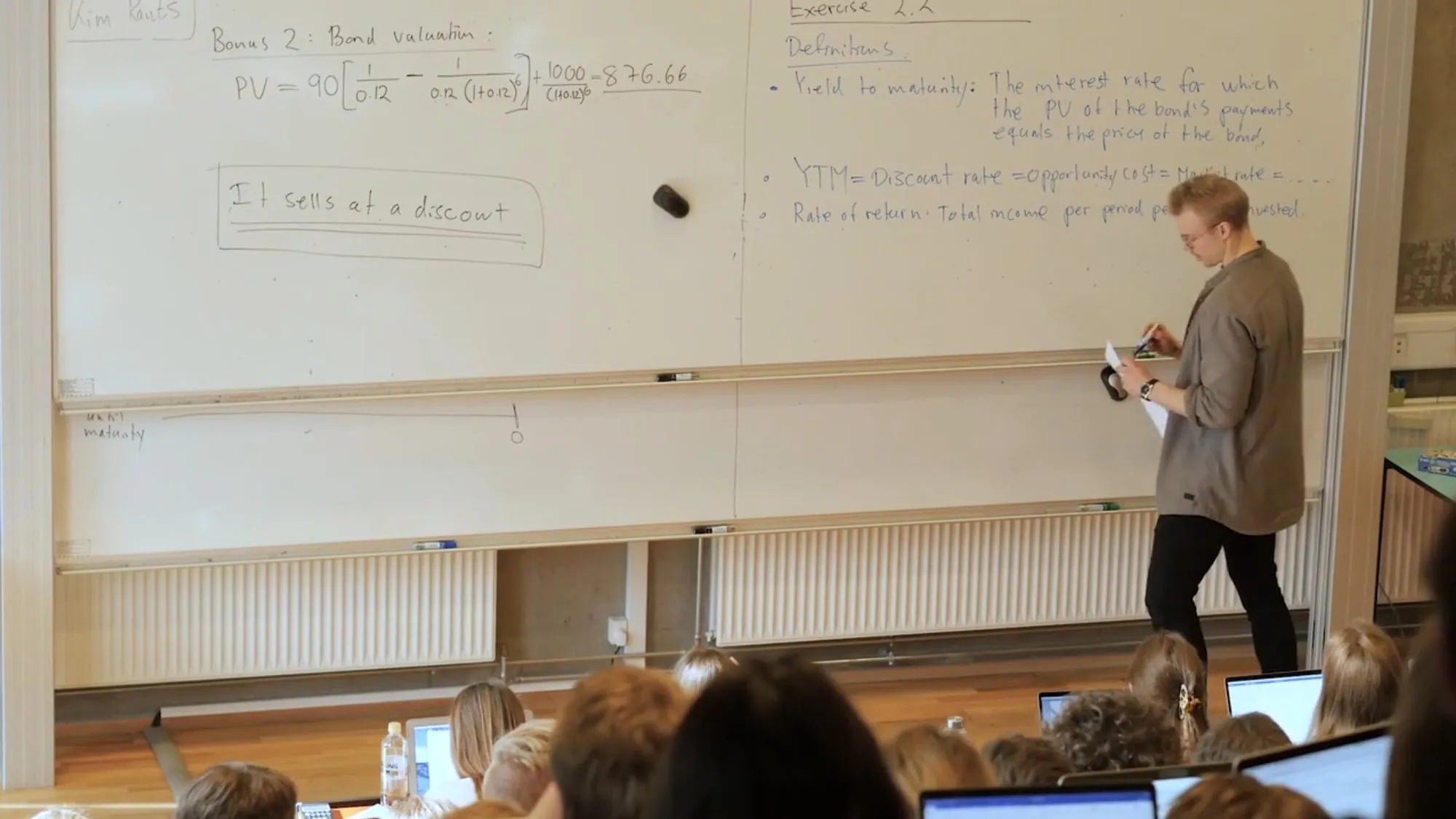
Instead of “solve this”, write “give me a hint” or “what should I ask myself here?”. Tell it at the start not to give you the answer, even if you ask later. Most chatbots will follow that, and it changes the whole conversation, even though it goes directly against what the chatbot would normally do.
3. Explain it back
When you think you understand something, explain it to the AI in your own words and ask it to find the holes. You can write it, but many students get even more out of talking it through out loud, using the AI as a sparring partner. It is what the best students do in a study group. The holes it finds are what you should study next.
4. Make it test you
“Test me on chapter 4.” “Give me an exam question on this and grade my answer.” Multiple choice is a good start. But what we have found works even better is open questions, where you have to answer in your own words, because they make you think harder.
5. Make it use your own material
Ask the AI to base its answers on your slides and your book, and to tell you where each answer comes from, so you can look it up yourself. AI can sound certain and still be wrong, and your course may explain things differently.
The five, in short
- Do it yourself first, whether it is a problem or a text.
- Ask for hints, not answers.
- Explain it back in your own words, and ask it to find the holes.
- Make it test you instead of writing for you.
- Make it use your own material and name its sources.
What you get in alice
You can use the five rules with most AI providers, but it often does not work optimally, or it is hard to stick to them. In alice they are built in from the start. The tutor works from your own course, guides instead of answering, tests you until it sticks, and shows you your gaps before the exam does. Some students tell us they learn far more with it than in ordinary teaching, and that is the standard I want alice measured by.
alice is built to help students learn more in less time, while enjoying it. Follow the five rules, or use alice to succeed at your studies. Try it here.
Kim Rants, founder and CEO of alice