It is also a risk to stand still, as individuals and as a society
What I learned from my own leap as an entrepreneur, and what it means for the choices we face in education
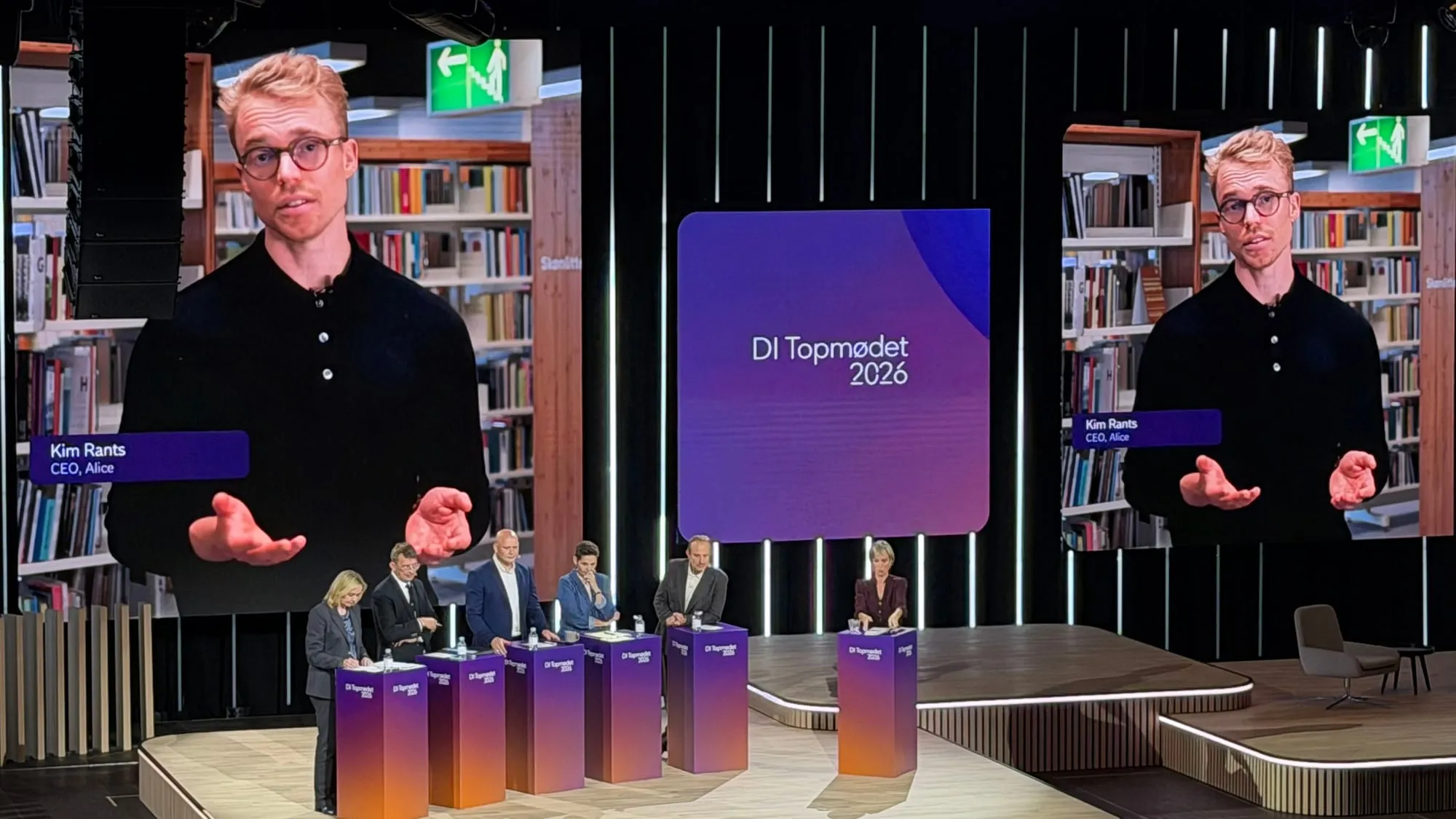
I have wanted to start a company since I was about eighteen and still in high school. It always felt like the ultimate professional challenge. But I never did it. Life happened. I climbed the career ladder, I did well at McKinsey, and every year the opportunity cost grew and the choice seemed to get harder. So I hesitated.
Until one day I started using what is called the regret minimization framework. I asked myself: what will I regret least when I look back one day at 80? Never having tried a startup, or missing out on a great career at McKinsey? Put that way, it suddenly became easy. I had no doubt at all, and within a few weeks the decision was made. I went on Christmas break in 2023 and resigned on my first Monday back at work, in early January 2024, which surprised a lot of people.
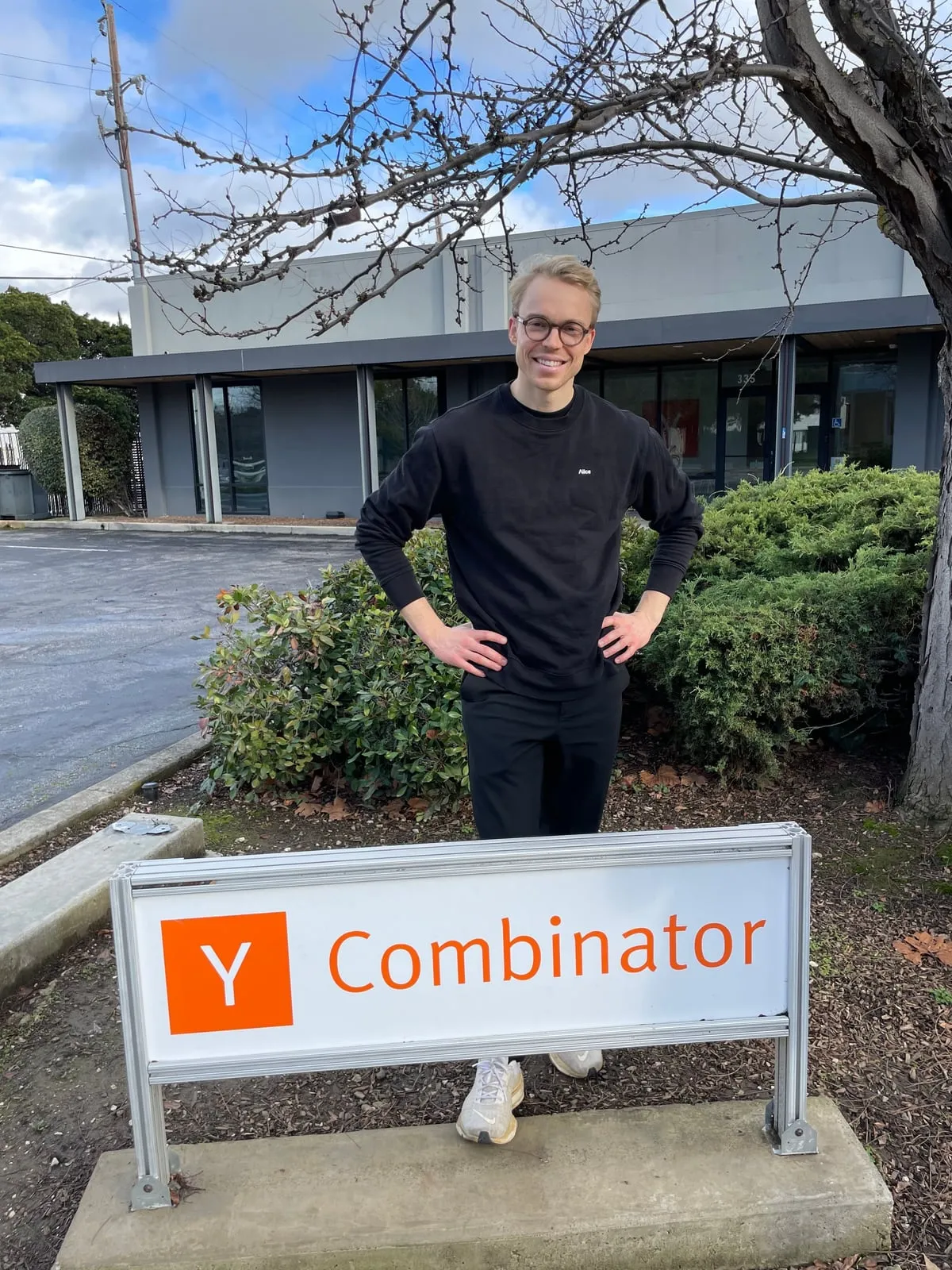
My fiancée, now my wife, luckily supported me all the way. She did have two conditions, though: we would keep living where we lived, and we would still have the wedding we had planned. :) Beyond that, I was free to take the chance and accept the risks. So I set up our finances so we could live for at least a year without my salary. We got rid of the car and planned a life without vacation for a while. Those were real sacrifices, on top of the risk of earning nothing and everything I gave up at McKinsey.
Over a lifetime, the risk is smaller than it looks
Looked at over one year, the risk seemed big. Looked at over a working life, it is quite small. At worst, I lose a few years on the career ladder. In return, I get experience I could not have gotten any other way, and I will never have to wonder “what if?”
More than two and a half years in, it is probably the best professional decision I have made in my life. Doing a startup is tougher than anything I have tried before, much tougher than McKinsey. But it is also far more rewarding, and I wake up every day looking forward to work, even on the days when it is the hardest thing I can imagine doing.
Standing still is a risk
Some would say that drawing a parallel from my own life to society and education is a stretch. And I am not saying we should gamble with students’ education. My bet was about my own career and life. Education affects a whole generation, and that calls for care. My point is that doing nothing is not the safe option it looks like.
Just as it was for me, standing still is also a risk, and most people do not see it that way. We already have a burning platform. In the PISA results published in September 2026, Danish students scored lower than ever, almost two years of learning behind their 2015 peers in reading and maths (Undervisningsministeriet, 2026). At alice, I see that the people who use AI best become so much better than others, and that gap will only grow. The cost of standing still - or even going back to something safer that we know (for example removing AI entirely) - rarely shows up in a risk assessment, because lost opportunities are hard to measure. It shows up later, as regret, and as a generation of students in Denmark and elsewhere who did not reach the potential they could have, if we had made faster and better decisions.
If we set the direction, convene the right expertise and start cracking this, I am certain that we as a society can get it right, fast. We can not only turn around the PISA decline, but get to a place where our students learn more and are smarter than they have ever been before.
Let us create a mindset for problem-solving
Right now we lack a direction as a society, and we lack a decision. There has been a lot of talk about whether AI is good or bad for education, and whether to ban it.
We should acknowledge that there are huge issues with how AI is used today. Research shows that used the wrong way, AI hinders thinking and can make us dumber. Students who wrote essays with ChatGPT showed the weakest brain activity of all the groups measured, and most could not quote from their own essay minutes later (MIT Media Lab, 2025). Used the right way, it makes students smarter. In a randomized trial at Harvard, students with a purpose-built AI tutor learned more than twice as much as students in ordinary, active teaching, and in less time (Harvard, 2025).
Let us stop debating whether AI should be used, agree that it should, and focus only on how. That would create clarity, and I think it would make problem-solving the mindset, which is what we currently lack.
It will not be perfect from the start, and there will be risks along the way. We should accept that and have a basic belief in ourselves. We have the technology, and we have the talent. If we bring the right people together, we can get this right.
I do not have all the answers, but I have an initial perspective: we should keep some exams without any help, pen and paper, because that builds the foundation. We should also make some exams significantly more ambitious, more creative and more about building, where students use AI to make things that were not possible before. We should train people both to think for themselves and to use AI as a tool. And during the school year, which is where the learning actually happens, we should lean heavily into the right kind of AI, like personalized learning where each student gets help one to one. That should augment today’s one-to-many model, not replace it, and elevate both students and teachers.
Disclaimer: I obviously have an interest in this, since I am building an AI company for students. But I took all the risks upfront, because I believed in this from the start, and I still do. More than ever.
The research already shows which way to go. So I think we should move with conviction and at scale, then learn and adapt along the way, rather than keep discussing and never move. Moving with conviction does not mean we cannot change course as we learn. That is the choice I made with my own career, and I think it is the right one for education too.
If we set the direction, convene the right expertise and start cracking this, I am certain that we as a society can get it right, fast. We can not only turn around the PISA decline, but get to a place where our students learn more and are smarter than they have ever been before - why not have the ambition to be several years ahead of previous generations?
alice is our attempt at doing it properly: a tutor that guides instead of handing over answers, built to make students more capable. Try it here.
Kim Rants, founder and CEO of alice